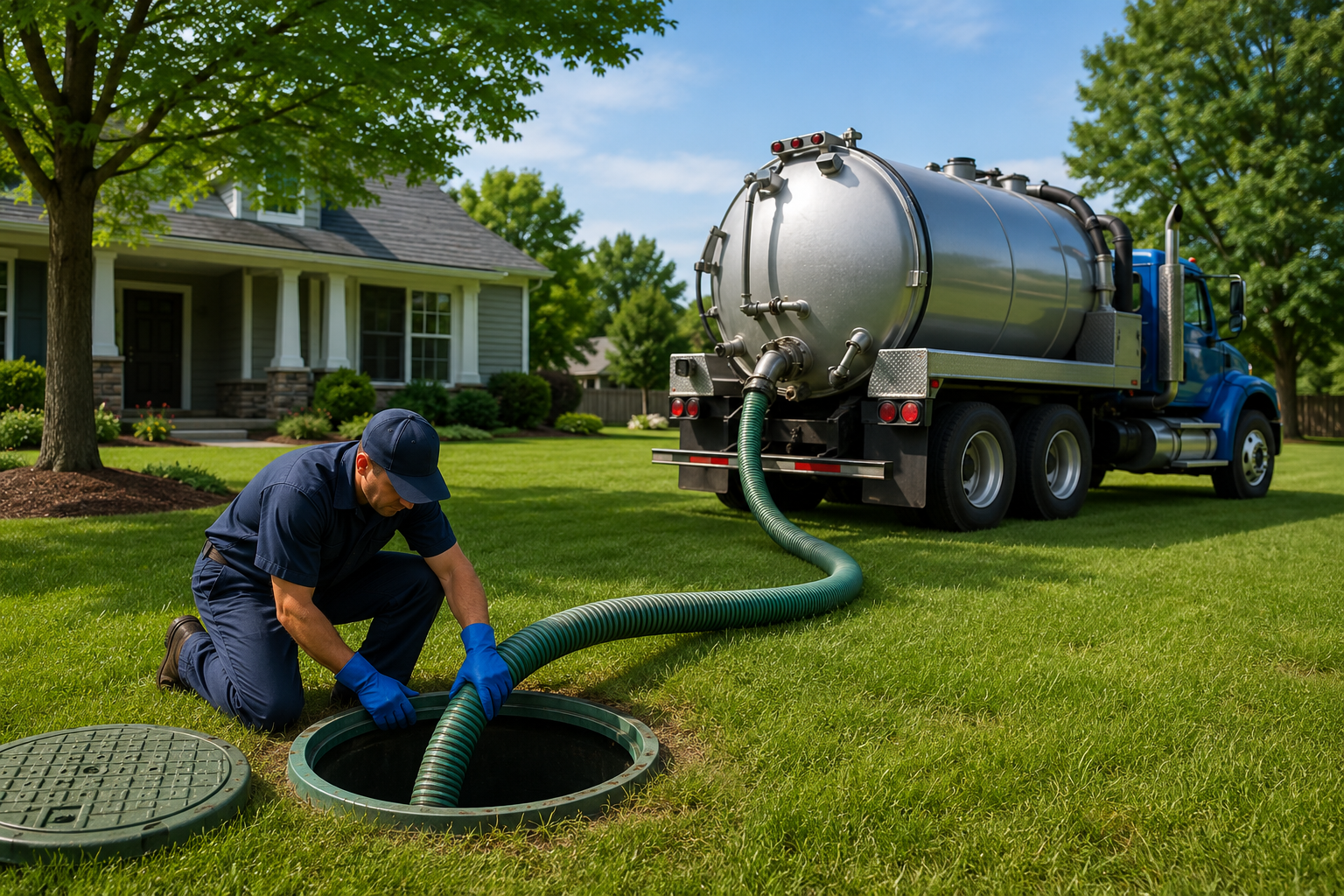
How Often Should a Private Well Be Disinfected?
A private well provides an important source of water for many homes, but regular care is needed to help maintain water quality. One important part of well maintenance is understanding the Well Disinfection Process and knowing when it may be necessary. Unlike public water systems, private wells are the responsibility of the property owner, so regular testing and proper maintenance are important.
There is not one fixed schedule that applies to every private well. The need for disinfection depends on factors such as water testing results, repairs, flooding, pump work, and other events that could introduce bacteria into the well. Understanding these situations can help homeowners protect their water supply and identify problems early.
How Often Should a Private Well Be Disinfected?
A private well does not necessarily need to be disinfected on a fixed monthly or yearly schedule. Instead, disinfection should be considered when there is a known or suspected source of bacterial contamination or after certain types of well work.
The CDC recommends that private well owners test their water at least once a year for important indicators such as total coliform bacteria. More frequent testing may be appropriate when water quality changes or contamination is suspected.
North Carolina guidance also identifies specific situations when well disinfection is required, including construction, repairs, testing, maintenance, and pump installation.
This means that well disinfection should be based on the condition and history of the well rather than simply following a routine calendar schedule.
When Should a Private Well Be Disinfected?
Several situations can increase the need for disinfection. Homeowners should consider professional assistance when one of the following occurs.
1. After Well Repairs
Well components can be exposed during repair work. If the well, pump, piping, or other equipment is serviced, bacteria can potentially enter the system.
North Carolina regulations require water supply wells to be disinfected after repairs, maintenance, testing, construction, or pump installation.
If you have recently needed water well repair services, ask the contractor whether the well was disinfected after the work was completed.
2. After Pump Installation or Replacement
A new pump or pump-related work can involve contact with components inside the well. Proper disinfection after installation helps address potential bacterial contamination introduced during the work.
For homeowners, this is an important part of completing the repair or installation process rather than treating the job as finished once the pump begins operating.
3. After Flooding or Heavy Water Intrusion
Floodwater can carry bacteria, sewage, chemicals, and other contaminants. If floodwater reaches a private well or the well area, the water should be considered potentially contaminated until it has been properly evaluated.
The CDC recommends contacting local or state health authorities or a qualified well or pump contractor when a well may have been contaminated after an emergency.
Chemical contamination requires special attention because chlorination does not make fuel, pesticides, or other toxic chemicals safe.
4. When a Water Test Shows Bacteria
A positive test for coliform bacteria can indicate that a well or plumbing system has a contamination problem. In these cases, disinfection may be recommended, followed by additional testing.
The goal is not simply to add chlorine and assume the problem is solved. The source of contamination should also be investigated, especially if bacteria continue to appear in later water tests.
5. When Water Quality Changes
Changes in the smell, taste, color, or appearance of well water can be a reason to have the water tested. North Carolina health guidance recommends more frequent testing when these types of changes occur.
A change does not automatically mean that disinfection is required. Testing can help determine whether bacteria or another water-quality issue is present.
What Is the Well Disinfection Process?
The Well Disinfection Process commonly involves introducing an appropriate chlorine solution into the well and plumbing system, circulating it so that surfaces are exposed to the disinfectant, allowing sufficient contact time, and then flushing the system.
North Carolina rules specify chlorination procedures for water supply wells, including achieving an appropriate chlorine concentration, circulating the solution, rinsing relevant well components, allowing the solution to stand for at least 24 hours, and pumping the well until no detectable total chlorine residual remains before the well is placed back into use.
The exact procedure can vary depending on the type and condition of the well. For this reason, homeowners should follow applicable state guidance and seek professional help when the well has been damaged or when the situation is complicated.
The CDC also recommends testing the water after disinfection. For emergency disinfection, it advises waiting at least 7 to 10 days after chlorine has been flushed from the system before sampling the water.
Why Annual Water Testing Still Matters
Disinfection and water testing are not the same thing.
Disinfection is a treatment process used in certain situations to reduce or eliminate microorganisms. Water testing provides information about the quality of the water and can help identify contamination.
The CDC recommends that private well owners test their well water at least once a year for total coliform bacteria, nitrates, total dissolved solids, and pH.
Regular testing can help homeowners identify changes before they become larger concerns. If a test shows bacterial contamination, professional advice can help determine whether disinfection, repairs, or additional investigation is appropriate.
Does Every Well Need Annual Disinfection?
Not necessarily.
Some homeowners may choose to include disinfection as part of regular well maintenance, but there is no universal requirement that every private well be disinfected every year simply because a year has passed. North Carolina materials note that well chlorination may be used as part of annual maintenance, while also identifying situations where disinfection is specifically necessary, such as bacterial contamination, flooding, construction, repairs, maintenance, and pump installation.
The condition of the well should therefore be considered along with water testing results and recent maintenance history.
When Should You Call a Professional?
Professional help is especially important when a well has been damaged, repeatedly tests positive for bacteria, or requires significant repairs.
If your property needs water well repair services, disinfection may be an important step after the repair depending on the work performed. A qualified well professional can evaluate the well, identify potential contamination sources, perform appropriate disinfection, and recommend follow-up testing.
The CDC advises homeowners to contact a health department or well water contractor when they need help determining the appropriate treatment for their well water.
Keep Your Durham Well Water Safe
There is no single answer to how often every private well should be disinfected. Instead, disinfection should be considered after repairs, pump installation, maintenance, flooding, confirmed bacterial contamination, or other events that may affect water quality.
For Durham homeowners, regular water testing combined with proper well maintenance can provide a practical way to monitor a private water supply. If your well needs evaluation, disinfection, or water well repair services, professional assistance can help determine the appropriate next step.
A well-maintained water system starts with knowing what is happening below the surface. Regular testing, timely repairs, and the proper Well Disinfection Process can all play a role in maintaining a reliable private water supply.
 Arbor Plumbing