Protect Your Water. Protect Your Property.

If your well hasn’t been tested or disinfected, you may be exposing your family or tenants to unsafe water.

What Could Be Dangerous About Your Well Water ?

Your well is your private water source and keeping it clean, safe, and compliant isn’t optional. We provide professional well disinfection, system evaluation, and water safety services to protect your home or facility.

Well water is not automatically safe.

Unlike municipal water, private wells are not continuously monitored, meaning contaminants can enter your water without warning.
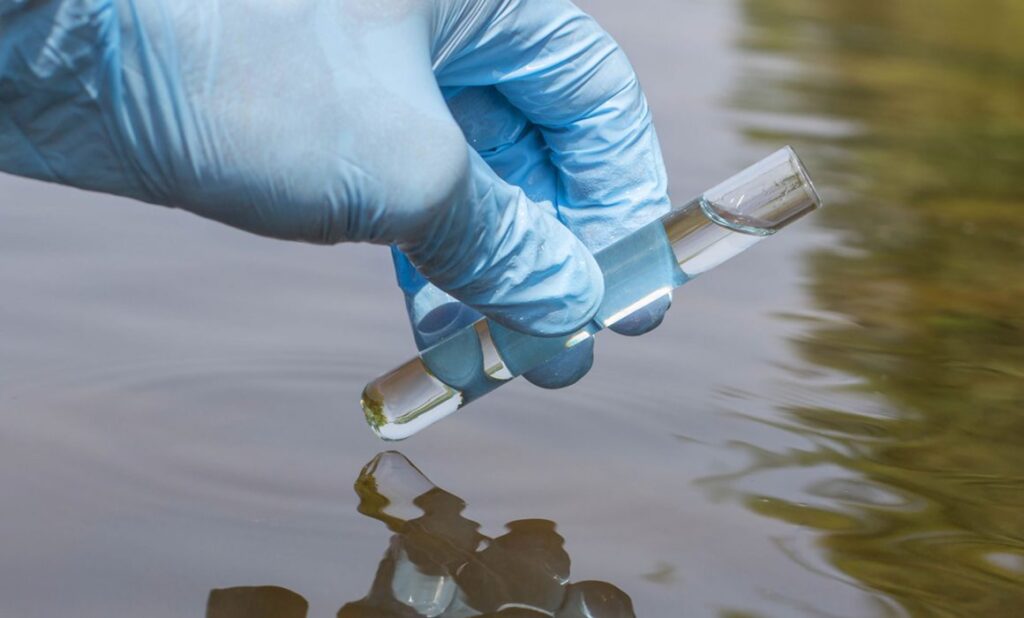
Members can look forward to:

  • Annual Testing
  • Well Inspection
  • Priority Service
  • Discounted disinfection services

Common contamination sources include :

  • Fertilizers and agricultural runoff
  • Animal waste (livestock, poultry farms)
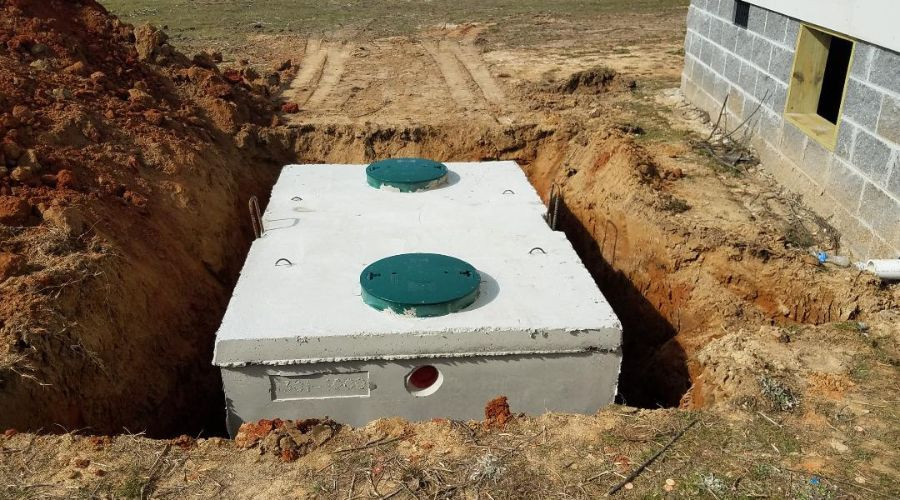
  • Septic system leakage
  • Industrial chemicals
  • Naturally occurring minerals and metals
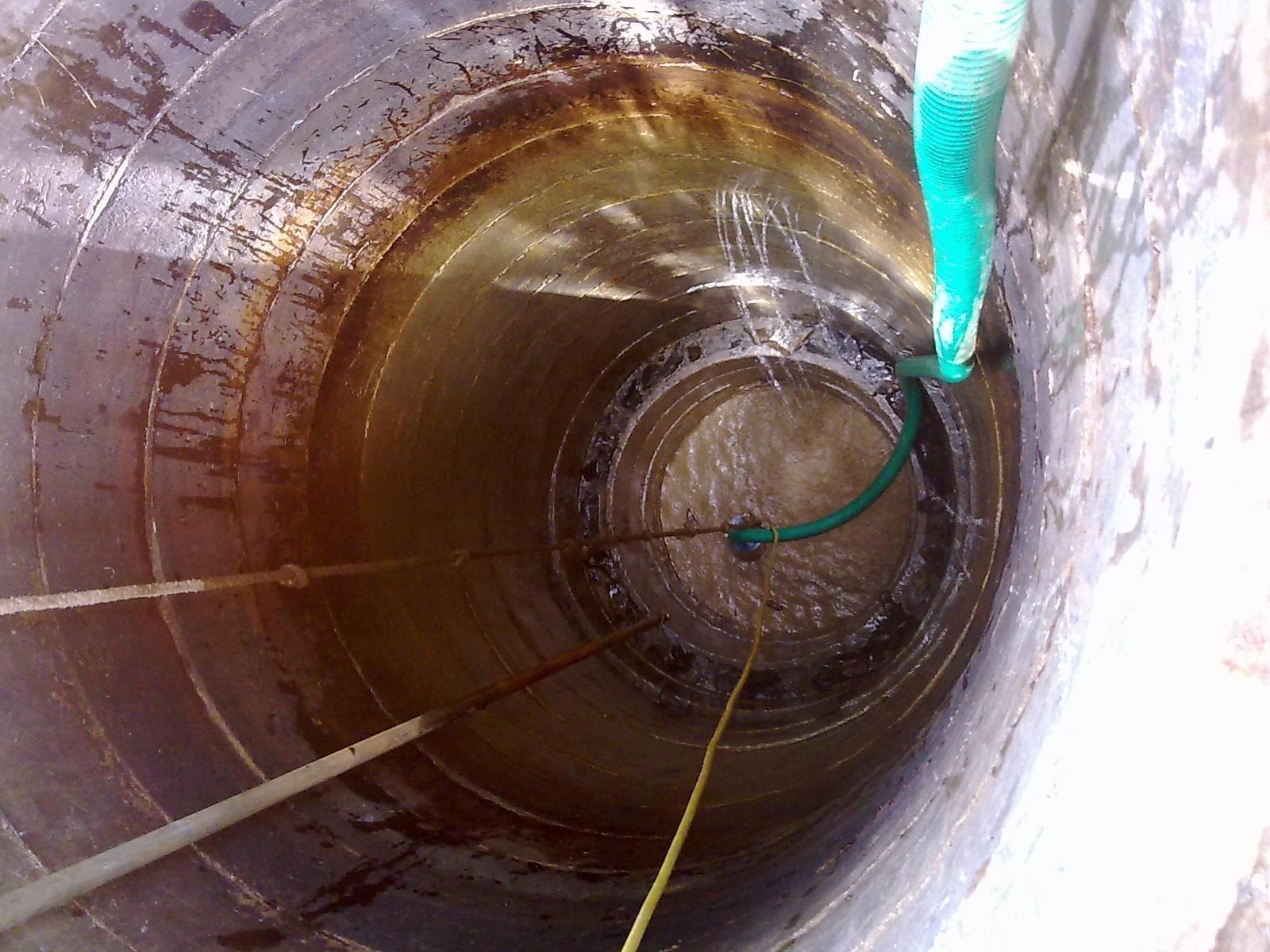
Common Contaminants Found in North Carolina Wells

North Carolina wells can contain a wide range of contaminants, including:

  • Bacteria (Coliform, E. coli)
  • Nitrates
  • Arsenic
  • Iron & Manganese
  • Volatile Organic Compounds (VOCs)

Many of these are invisible, odorless, and tasteless

You Don’t Know What’s In Your Water Until You Test It

If your home or property uses a private well, your water could contain harmful contaminants without any warning signs.

We help you:

  • Identify contamination risks
  • Test and evaluate your water system
  • Properly disinfect and restore water safety
  • Ensure compliance with State standards

Nitrates in Well Water

What Are Nitrates ?

Nitrates are chemicals found naturally in soil but are heavily increased by:

  • Fertilizers
  • Animal waste
  • Agricultural activity

They can seep into groundwater and contaminate your well.

Risk to Babies (Critical)

Infants under 6 months are at highest risk.

Nitrate exposure can cause:

“Blue Baby Syndrome” (Methemoglobinemia)

  • Reduces oxygen in the bloodstream
  • Can lead to severe illness or death
  • Important:
  • Boiling water makes it WORSE, not better
  • They can seep into groundwater and contaminate your well.

Risk to Adults:

Nitrates can also affect :

  • People with heart or lung conditions
  • Pregnant women (increased miscarriage risk)
  • Long-term health outcomes

Our Water Safety Services :

  • Well disinfection (standard & shock chlorination)
  • Water quality testing
  • Contamination risk assessments
  • System flushing & restoration
  • Backflow protection integration

The Reality in North Carolina

  • NC ranks among the highest states for private well usage
  • Millions rely on private wells for drinking water
  • Many wells are never tested regularly

The responsibility for water safety falls entirely on the property owner

Private Wells vs Municipal Water

Feature
  • Regulated
  • Regular Testing
  • Treatment
Municipal Water
  • Yes
  • Frequent
  • Required
Private Well
  • No
  • Rare
  • Owner responsibility
Connect With Us

    Don’t wait until there’s a problem!

    Hidden Risk

    Many homeowners assume:

    “If it looks, tastes, and smells fine, it must be safe.”

    • That is incorrect.
    • Most dangerous contaminants:
    • Have no taste
    • Have no smell
    • Are not visible

    When Should You Disinfect Your Well?

    You should disinfect your well if:

    • You notice odor (rotten egg / sulfur smell)
    • Water appears cloudy or discolored
    • The well has been opened, repaired, or serviced
    • You’ve had flooding or contamination concerns
    • A water test fails

    Professional Well Chlorination & Water Safety Services

    We don’t just treat wells, we engineer safe water systems.

    Our well disinfection services follow state guidelines, proper dosing calculations, and proven field methods to eliminate harmful bacteria and restore water quality.

    You must disinfect your well if:

    • You receive a positive bacteria test
    • After pump installation or repairs
    • After well construction or maintenance
    • After flooding or contamination events

    Health Risks of Contaminated Well Water

    Untreated well water contamination can lead to:

    • Reduced oxygen in blood (nitrates)
    • Increased risk for infants and pregnant women
    • Respiratory and cardiovascular complications
    • Long-term health effects

    Additional Well Services We Offer

    • Well inspections & diagnostics
    • Water quality testing
    • Pressure & flow troubleshooting
    • Plumbing system integration