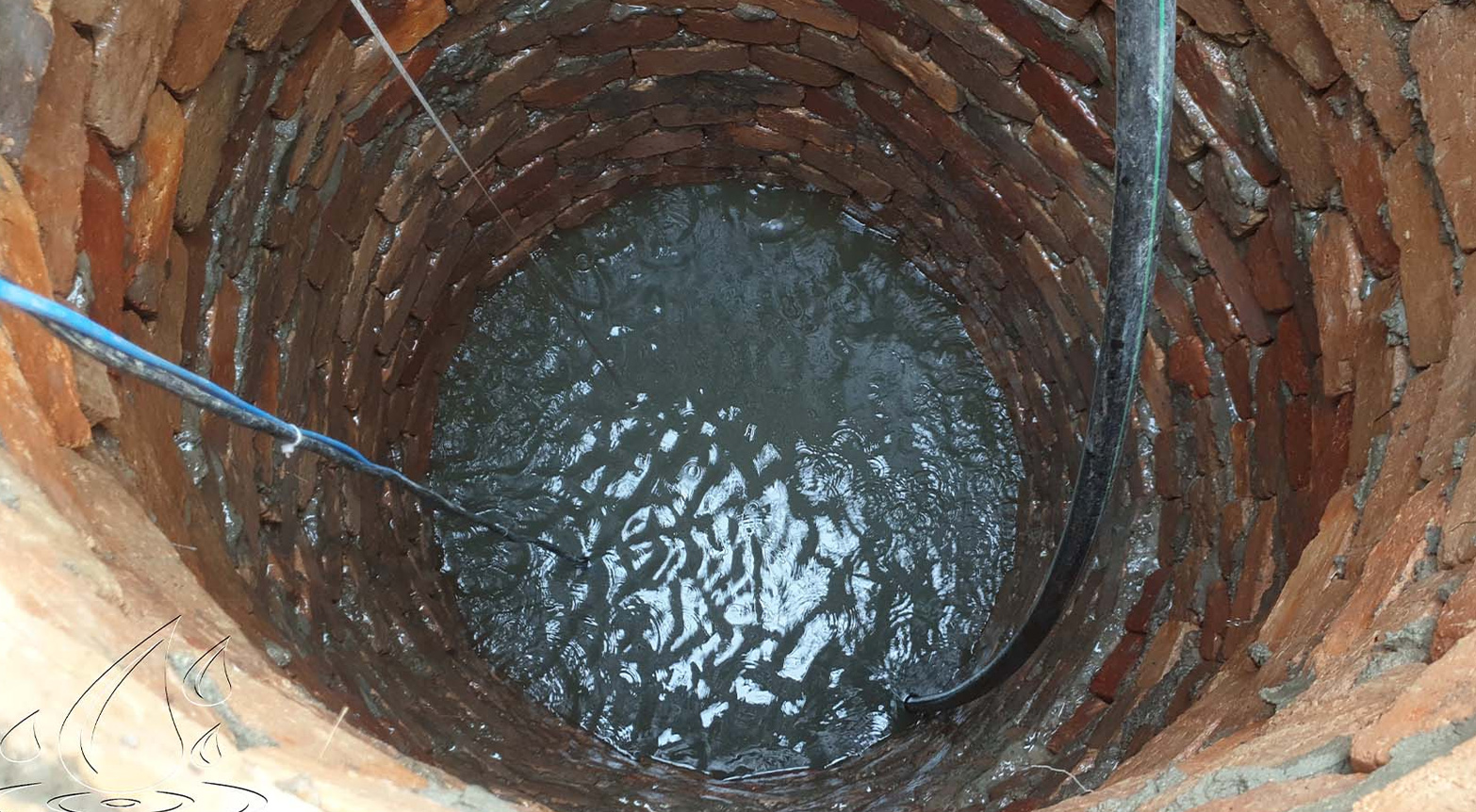
Why Is Well Disinfection Important for Durham NC Homeowners?
Private wells provide drinking water to many homeowners in Durham, NC. Unlike homes connected to a public water supply, properties with private wells are generally responsible for maintaining and testing their own water systems. Although well water can be a reliable source of drinking water, contamination may occur because of damaged well components, nearby septic systems, heavy rainfall, flooding, or poor maintenance.
This is why Durham NC Well Disinfection is an important consideration for homeowners who rely on private wells. Proper disinfection can help control harmful microorganisms when contamination is identified or suspected. Regular water testing and professional maintenance can also help protect household water quality.
Understanding when well disinfection may be needed, what the process involves, and how to maintain your well can help you make informed decisions about your property’s water supply.
What Is Well Disinfection?
Well disinfection is a process used to reduce or eliminate harmful microorganisms in a private well and its associated water system. It is often recommended when bacterial contamination is detected, after certain well repairs, or following events that may allow contaminated water to enter the well.
The process may involve introducing an approved disinfectant, commonly chlorine, into the well and distributing it through the plumbing system according to established procedures. The treatment is then followed by appropriate flushing and water testing.
The exact method depends on the well’s construction, the type of contamination, and the recommendations of a qualified professional.
Well disinfection is not a substitute for routine water testing. It also does not remove every possible contaminant, such as nitrates, heavy metals, or certain chemicals. Testing is necessary to identify the specific water quality concerns that need to be addressed.
Why Is Well Disinfection Important for Durham NC Homeowners?
Private wells can be affected by environmental conditions and changes around a property. Without regular testing, contamination may go unnoticed because water can look, smell, and taste normal even when harmful microorganisms are present.
Here are some important reasons to consider professional well disinfection when it is appropriate.
1. It Helps Address Bacterial Contamination
Bacteria can enter a well through damaged caps, faulty seals, cracked components, contaminated groundwater, or other pathways.
Certain bacteria, including E. coli, can indicate possible fecal contamination and a potential health risk. Other bacteria may enter a well from environmental sources.
If a water test detects coliform bacteria or E. coli, homeowners should follow guidance from their local health department or water professional. Disinfection may be recommended, along with an investigation into how the contamination occurred.
A qualified professional can help determine the appropriate treatment and arrange follow-up testing to check whether the problem has been resolved.
2. It Can Be Important After Flooding or Heavy Rain
Heavy rainfall can increase the risk of contamination when surface water enters a poorly protected well. Flooding may introduce soil, waste, and microorganisms into the water system.
Homeowners should pay particular attention to their wells after flooding, especially if the wellhead has been submerged or damaged.
If floodwater reaches your well, avoid assuming the water is safe simply because it looks clear. Follow local public health guidance, use a safe alternative water source when advised, and arrange an inspection and appropriate testing before returning the well to normal use.
Professional Durham NC Well Disinfection services can help homeowners determine the next steps after a potential contamination event.
3. It Supports Safe Drinking Water Practices
Clean drinking water is essential for cooking, drinking, and everyday household activities. However, private well owners must take responsibility for checking their water quality.
Disinfection can be an important part of addressing microbial contamination, but it should be combined with regular testing and proper well maintenance.
Homeowners should also understand that boiling water may help address certain microbial hazards but does not remove chemical contaminants. If contamination is suspected, follow the specific instructions provided by local health officials.
Testing is the best way to identify whether additional treatment is required.
When Should You Consider Well Disinfection?
Not every private well needs disinfection on a fixed schedule. The need depends on water test results, the well’s condition, and events that could introduce contamination.
You may need to consider professional well disinfection in the following situations:
- After a positive bacteria test: Coliform bacteria or E. coli may indicate a contamination problem that requires prompt attention.
- After well repairs: Work involving the well, pump, or plumbing can introduce microorganisms into the system.
- After flooding: Floodwater entering or surrounding the well can increase contamination risks.
- When a well is newly constructed: Initial disinfection may be recommended as part of bringing the system into service.
- After contamination is suspected: Changes in the surrounding environment or damage to well components may justify an inspection and water test.
A change in water color, taste, or odor should also be investigated. However, these changes do not confirm bacterial contamination, and normal-looking water is not proof of safety.
How Does Professional Well Disinfection Work?
The disinfection process should be based on the well’s design, condition, and test results. A typical service may include several steps.
Step 1: Inspect the Well System
The professional checks accessible well components, including the well cap, seals, casing, and surrounding area. The inspection can help identify possible entry points for surface water or contaminants.
Step 2: Review Water Quality Concerns
Existing water test results and the circumstances surrounding the contamination help determine the appropriate response. Additional testing may be recommended if the source of the problem is unclear.
Step 3: Apply the Appropriate Disinfectant
An approved disinfectant may be introduced into the well and distributed through the water system using a suitable procedure. The correct concentration and contact time depend on the system and the treatment guidance being followed.
Homeowners should avoid guessing disinfectant quantities or attempting improvised chemical treatments. Incorrect handling can damage equipment or create unsafe water conditions.
Step 4: Flush the System Safely
After the required contact period, the system is flushed according to professional instructions. Disinfected water may need to be directed away from septic system components, streams, ponds, and sensitive landscaping.
Step 5: Perform Follow-Up Water Testing
Follow-up testing is essential to confirm whether bacterial contamination has been addressed. Homeowners should follow the recommended sampling schedule and continue using an alternative safe water source until advised that the water is suitable for use.
The Connection Between Private Wells and Septic Systems
Private wells and septic systems often operate on the same property. Their locations and condition can affect household water quality.
A damaged septic system may release wastewater into the surrounding soil, potentially affecting groundwater under certain conditions. Proper separation, maintenance, and suitable site conditions help reduce this risk.
Homeowners should know where their well, septic tank, and drain field are located. This information can help prevent accidental damage during landscaping, construction, repairs, or excavation.
For example, property owners looking for septic tank locating Garner NC services may need to identify buried septic components before starting outdoor projects. Accurate locating can help support maintenance planning and reduce the risk of damaging the system.
Although septic tank locating and well disinfection address different needs, both can contribute to responsible property maintenance when a home relies on a private well and septic system.
How Often Should You Test Your Well Water?
Private well owners should establish a regular water testing routine. Annual testing for total coliform bacteria and nitrates is commonly recommended by public health agencies, although additional testing may be necessary based on local conditions and previous results.
Testing may also be appropriate after flooding, well repairs, changes in water quality, or nearby activities that could affect groundwater.
Depending on the property’s location and potential contamination sources, a professional may recommend testing for additional substances, including metals or other naturally occurring contaminants.
Keep copies of your water test results and maintenance records. These records can help identify changes over time and support more informed decisions about treatment.
Practical Tips for Maintaining Your Private Well
A few simple precautions can help reduce contamination risks and support long-term well performance.
- Inspect the well cap and visible components periodically for damage.
- Keep the area around the well clean and protected from standing water.
- Maintain septic systems according to professional recommendations.
- Avoid storing chemicals, fuel, or waste near the well.
- Arrange water testing at recommended intervals.
- Investigate unusual water changes promptly.
- Consult a qualified well professional after significant repairs or flooding.
These practices cannot eliminate every risk, but they can help identify potential problems before they become more serious.
Protect Your Water Supply With Professional Well Services
For Durham homeowners, private well maintenance is an important part of protecting household water quality. Regular testing, timely inspections, and appropriate disinfection can help address microbial contamination and reduce the likelihood of recurring problems.
If you suspect contamination or receive an unfavorable water test result, seek professional guidance rather than relying on appearance or taste to judge water safety. A qualified provider can help identify the cause, recommend suitable treatment, and explain when follow-up testing is needed.
Arbor Well & Septic provides well-related services to help homeowners maintain their water systems. If you need Durham NC Well Disinfection, consider arranging an assessment to understand your well’s condition and the steps required to address your specific concerns.
By combining professional care, regular testing, and responsible septic system maintenance, homeowners can take practical steps toward protecting their private water supply and maintaining a dependable household water system.
 Arbor Plumbing