Acne Treatments Frisco: Professional Options for Different Types of Acne
Clean water is essential for drinking, cooking, bathing, and everyday household activities. However, private well water can contain contaminants that are not always visible, noticeable by smell, or detectable by taste. Regular water testing helps homeowners understand their water quality and determine whether treatment or further investigation is needed.
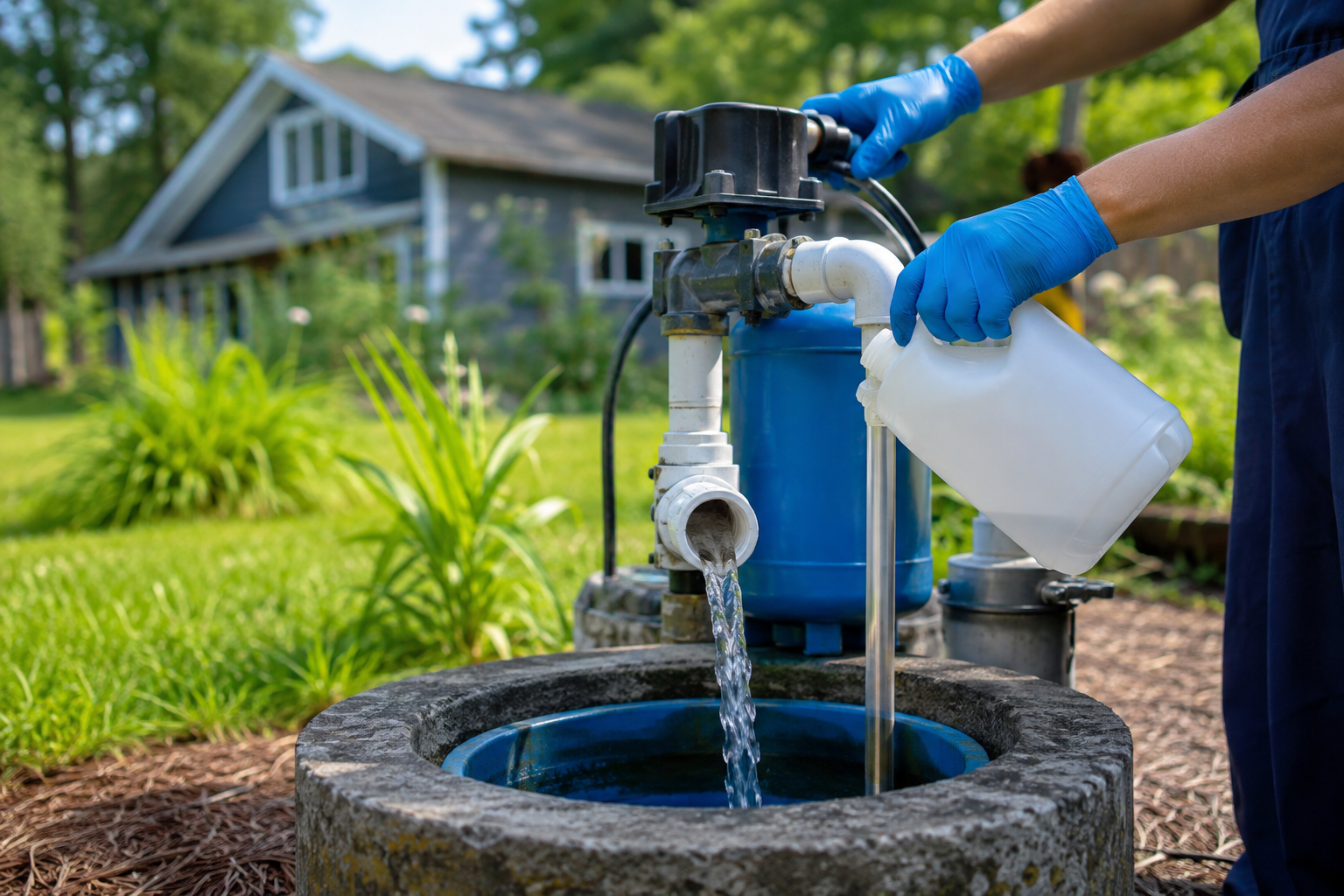
Professional Well Testing Services Raleigh homeowners can use are an important part of maintaining a dependable private water supply. Whether you have recently purchased a home, noticed a change in your water, or want to check your well’s condition, understanding common water quality concerns can help you make informed decisions.
Arbor Well & Septic provides well-related services to help homeowners address their water system needs. With appropriate testing and professional guidance, potential concerns can be identified before they become more difficult to manage.
Why Is Regular Well Water Testing Important?
Unlike public water systems, private wells are generally the homeowner’s responsibility. This means the well should be tested periodically to check for potential contamination and changes in water quality.
Water can become contaminated through several sources, including nearby septic systems, agricultural activities, surface runoff, damaged well components, and naturally occurring minerals.
Some contaminants can affect taste, odor, or appearance, but others may be present without any obvious warning signs. Clear water is not necessarily safe water.
Regular testing can help identify concerns and determine whether additional testing, disinfection, filtration, or repairs may be appropriate. Testing recommendations depend on local conditions, the well’s history, and the type of water supply.
Common Well Water Problems Homeowners Should Understand
Different water quality issues require different testing methods and solutions. Understanding the most common concerns can help homeowners decide when to arrange a professional assessment.
1. Bacterial Contamination
Bacteria can enter a private well through damaged well caps, faulty seals, flooding, or contamination from nearby sources. Certain bacteria, including coliform bacteria, are commonly tested for when evaluating private well water.
The presence of indicator bacteria may suggest that contaminants can enter the water system. Additional testing may be recommended to investigate the problem.
If bacterial contamination is identified, a qualified professional can help determine the appropriate next steps. Depending on the circumstances, these may include inspecting the well, correcting defects, and disinfecting the system.
If contamination is suspected, follow guidance from your local health department about safe water use and any necessary precautions.
2. Nitrates and Nitrites
Nitrates and nitrites can enter groundwater through fertilizers, animal waste, septic system leakage, and other sources. These contaminants are particularly important to monitor because elevated nitrate levels can pose serious health risks, especially for infants.
Water containing elevated nitrate levels may look, smell, and taste normal. Testing is therefore the most reliable way to determine whether a problem exists.
Homeowners with private wells should consider nitrate testing based on local recommendations, nearby land use, and previous test results.
3. Hard Water and Mineral Buildup
Hard water contains elevated levels of minerals, primarily calcium and magnesium. Although hardness is not usually a health concern, it can create practical problems around the home.
Common signs include mineral deposits on faucets, spots on dishes, reduced soap performance, and scale buildup inside water heaters or plumbing fixtures.
A water test can measure hardness and help determine whether a water-softening system may be useful. The appropriate solution depends on the mineral concentration and household preferences.
4. Iron, Manganese, and Unusual Water Appearance
Iron and manganese can occur naturally in groundwater. Elevated levels may cause reddish-brown or dark staining on sinks, toilets, laundry, and other fixtures.
These minerals can also affect water taste and appearance. However, discoloration can have several causes, so it should not automatically be attributed to iron or manganese.
Testing can help identify the substances involved and guide the selection of suitable treatment equipment.
5. Changes in Taste or Odor
A metallic taste, rotten-egg odor, unusual cloudiness, or sudden color change can indicate a water quality or plumbing issue.
Some odors are associated with naturally occurring compounds, while others may be related to bacterial activity, plumbing materials, or changes in the well system.
Do not rely on taste or smell alone to decide whether water is safe. If the water changes suddenly, arrange appropriate testing and seek professional advice before assuming the problem is harmless.
How Professional Well Testing Services Raleigh Homeowners Need Can Help
A professional well water assessment can provide information about the condition of your water and help identify which concerns require further attention.
The testing process typically depends on the reason for the assessment. A basic evaluation may include selected indicators of bacterial contamination, while other situations may require tests for nitrates, minerals, metals, or additional contaminants.
A well professional or qualified water-testing laboratory can help determine which tests are appropriate for your location and circumstances.
When arranging Well Testing Services Raleigh residents can use, consider asking the provider:
- Which water quality parameters will be tested?
- Is the sample collected using an appropriate procedure?
- Will the results be provided in writing?
- What do the results indicate, and is additional testing needed?
- What treatment or corrective options may be appropriate?
A clear explanation of the results helps homeowners understand their water quality instead of relying on assumptions.
How Septic Systems Can Affect Well Water
Private wells and septic systems can exist on the same property, making proper placement, maintenance, and inspection important.
A malfunctioning septic system may release wastewater into the surrounding soil. Under certain conditions, contaminants can move through the ground and affect nearby groundwater or a private well.
This is one reason homeowners should pay attention to both their water supply and wastewater system.
Warning signs of septic trouble may include slow drains, wastewater odors, wet areas around the drainfield, or sewage backing up into the home. These symptoms should be evaluated promptly.
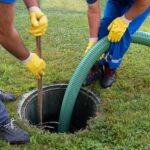
Professional septic system repair may be needed when damaged components, blocked pipes, or other system failures are identified. The correct repair depends on the cause and severity of the problem.
If a well and septic system are located on the same property, testing the water and addressing septic issues can be important parts of protecting the household water supply. Local regulations and professional guidance should determine the appropriate inspection and testing schedule.
What Should You Do if Your Well Water Fails a Test?
A test result outside the applicable safety guidelines does not always mean the well must be replaced. The appropriate response depends on the contaminant, its concentration, and the underlying cause.
Start by reviewing the results with the testing laboratory, local health department, or a qualified water professional.
Depending on the findings, recommended steps may include:
- Confirming the results: Additional sampling may be needed to verify an unexpected result.
- Inspecting the well: The well cap, casing, seals, and surrounding area may need to be checked for defects.
- Investigating contamination sources: Nearby septic systems, drainage problems, and other potential sources may need evaluation.
- Applying suitable treatment: Options may include disinfection, filtration, or specialized treatment equipment, depending on the contaminant.
- Retesting the water: Follow-up testing can help determine whether corrective measures have worked.
If a test identifies a health-related concern, follow public health guidance about whether the water should be used for drinking, cooking, or other purposes until the issue is resolved.
Simple Ways to Protect Your Private Well
Regular maintenance can help reduce the risk of certain well water problems.
Keep the area around the well clean and ensure that surface water drains away from the wellhead. Inspect visible components for damage and arrange professional attention if the cap, casing, or seals appear defective.
Store fuels, chemicals, fertilizers, and other potential contaminants away from the well. Make sure septic systems are maintained and repaired when necessary.
Keep records of previous water test results so that changes can be identified over time. Test the water after flooding, well repairs, or other events that could affect its quality, following local health recommendations.
These preventive steps cannot eliminate every contamination risk, but they can support a more reliable approach to private well management.
Protect Your Water Supply With Professional Guidance
Private well water requires ongoing attention because water quality can change over time. Regular testing can help identify bacterial contamination, elevated nitrates, mineral problems, and other concerns that may not be obvious from appearance alone.
For homeowners seeking Well Testing Services Raleigh, choosing appropriate tests and understanding the results are essential steps toward managing a private water supply responsibly.
It is also important to maintain nearby septic systems and arrange septic system repair when a problem is identified. Addressing both water quality and wastewater concerns can help reduce potential risks to the household and surrounding environment.
Arbor Well & Septic can help homeowners explore well-related service needs and determine suitable next steps for their property. By combining regular testing, proper maintenance, and timely professional attention, you can make better-informed decisions about your home’s water supply.
 Arbor Plumbing