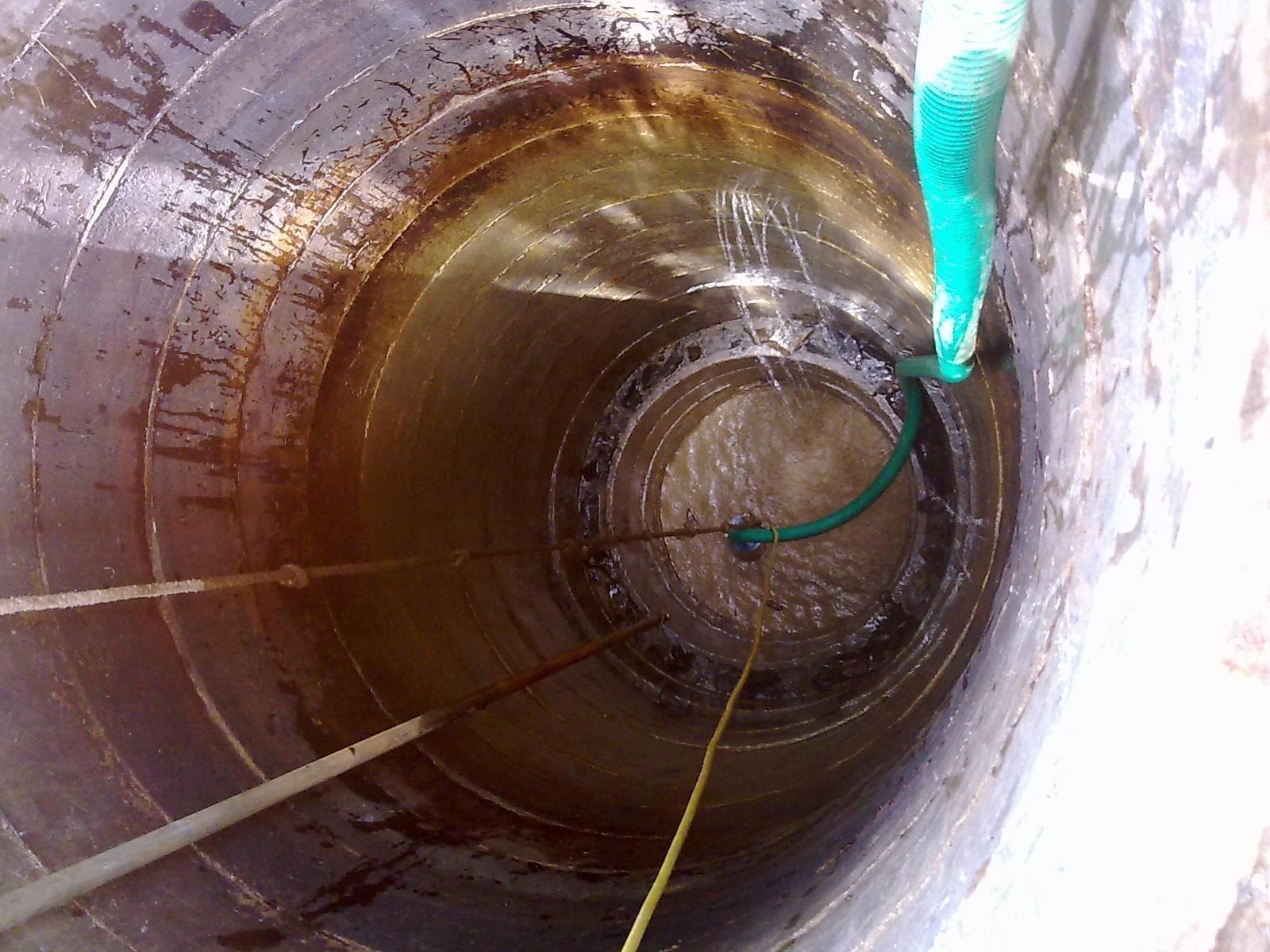
No Water at Home? Common Well Emergencies and What to Do
Having no water at home can quickly turn into a stressful situation. When your home depends on a private well, a sudden loss of water may be caused by a pump problem, electrical issue, pressure tank failure, or another part of the well system. Knowing what to check can help you understand the problem and decide when professional help is needed.
A reliable water well emergency service can identify the cause of the problem and restore your water system safely. Prompt attention can also help prevent a small well issue from becoming a more expensive repair.
What Causes a Well to Stop Providing Water?
A private well system includes several components that work together to deliver water to your home. The well pump, pressure tank, electrical controls, pipes, and other equipment all have important roles. If one component fails, water service may be interrupted.
Some common causes include:
- Well pump failure
- Electrical problems
- Low or empty well water levels
- Damaged pressure tanks
- Faulty pressure switches
- Broken or leaking pipes
- Clogged filters
- Problems with well controls
The exact cause cannot always be identified by looking at the faucet alone. A professional inspection can help determine which part of the system needs attention.
1. Well Pump Failure
The well pump is responsible for moving groundwater from the well into your home’s plumbing system. If the pump stops working, faucets and other fixtures may have little or no water.
A failing pump may show several warning signs before it stops completely. You might notice weak water pressure, unusual sounds, frequent cycling, or inconsistent water flow.
If the pump has completely failed, continued attempts to operate the system may not solve the problem. Professional water well emergency service can help inspect the pump, electrical connections, pressure controls, and related components.
2. Electrical Problems
A well pump needs electricity to operate. A tripped breaker, damaged wiring, failed control box, or other electrical problem can prevent the pump from running.
If you suddenly lose water, check whether the circuit breaker for the well system has tripped. If it has, resetting it may restore operation. However, if the breaker trips again, avoid repeatedly resetting it.
Repeated electrical trips can indicate an underlying problem that needs professional attention. Electrical components should be inspected by a qualified professional rather than handled without proper knowledge.
3. Pressure Tank Problems
The pressure tank helps maintain consistent water pressure throughout your home. It also reduces the need for the pump to turn on every time a faucet is opened.
A damaged or malfunctioning pressure tank can cause low water pressure, rapid pump cycling, or changes in water flow. In some cases, a pressure tank issue may be mistaken for a pump problem.
A professional can test the pressure system and determine whether the tank, pressure switch, or another component needs repair or replacement.
4. Low Well Water Levels
Sometimes the well equipment is working correctly, but the available groundwater level has dropped. Seasonal changes, drought conditions, heavy water use, or local groundwater conditions can affect the amount of water available to a private well.
If your faucets produce air or water flow becomes weak, a low water level may be one possible cause. However, low flow can also result from equipment or plumbing problems.
A proper well inspection can help determine whether the issue is related to the water source or the well system itself.
5. Clogged Filters and Pipes
Water filters and other components can become clogged over time. Mineral deposits, sediment, and other materials can restrict water flow.
If only certain faucets have low pressure, the problem may be related to a fixture, filter, or section of plumbing rather than the entire well system.
Regular maintenance can help reduce buildup and identify potential problems before they lead to a complete loss of water.
What Should You Do When You Have No Water?
When your well suddenly stops supplying water, stay calm and follow a few basic steps.
Check the Power
Look at your home’s electrical panel and check whether the well pump breaker has tripped. If the breaker remains off, do not repeatedly reset it.
Check the Pressure Gauge
If your system has a pressure gauge, check the reading. A very low or zero reading can provide useful information about a possible pump, pressure, or water supply issue.
Check Other Fixtures
Turn on several faucets. If every fixture has no water, the issue may involve the main well system. If only one fixture is affected, the problem may be localized to the plumbing.
Listen for Unusual Sounds
Unusual clicking, humming, buzzing, or repeated pump cycling may indicate an equipment problem. Avoid taking apart electrical or pump components unless you are qualified to do so.
Contact a Professional
If basic checks do not restore your water, professional water well emergency service can help diagnose the issue. A technician can inspect the system and determine the appropriate repair.
What About a Septic Problem?
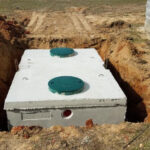
A private well and septic system often work together to support a home’s water and wastewater needs. While a septic problem may not directly cause a well pump to stop working, wastewater issues can create serious concerns if they are ignored.
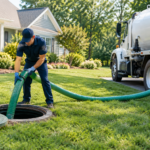
A leaking septic tank, damaged drain field, sewage backup, or standing wastewater should be addressed promptly. If you are experiencing wastewater problems along with well issues, professional septic tank leak repair Garner services may be needed to identify and correct the source.
Keeping both systems maintained can help protect your property and support a healthier home environment.
How Can Well Emergencies Be Prevented?
Not every well emergency can be prevented, but regular maintenance can reduce the risk of unexpected failures.
Consider scheduling periodic inspections of your well equipment. A professional can check the pump, pressure tank, controls, electrical components, and other parts of the system.
Homeowners should also pay attention to changes in water pressure, unusual pump sounds, cloudy water, sediment, or changes in water quality. These signs may indicate that the system needs attention.
It is also helpful to know where your well equipment and electrical controls are located. Having this information available can make it easier to respond when a problem occurs.
When Should You Call for Emergency Well Service?
A complete loss of water is one of the clearest reasons to seek professional assistance. You should also consider prompt service if your pump repeatedly cycles, water pressure suddenly drops, electrical breakers continue to trip, or you hear unusual sounds from the well equipment.
Professional water well emergency service can help identify the underlying issue instead of simply treating the symptoms. Early repairs may also help protect other components from unnecessary wear.
Keep Your Well System Working Reliably
A sudden loss of water can affect cooking, cleaning, bathing, laundry, and many other everyday activities. Understanding common well emergencies can help you respond appropriately when something goes wrong.
Pump failures, electrical problems, pressure tank issues, low water levels, and clogged components can all affect water availability. While homeowners can perform a few basic checks, professional diagnosis is often needed when the problem continues.
If your home has a private well, regular maintenance and timely repairs can help keep the system dependable. When an unexpected problem occurs, professional water well emergency service can help determine what went wrong and what steps are needed to restore your water supply.
For homeowners dealing with septic concerns as well, addressing problems early can help protect the property and prevent further damage. Services such as septic tank leak repair Garner can be an important part of maintaining a properly functioning wastewater system.
 Arbor Plumbing