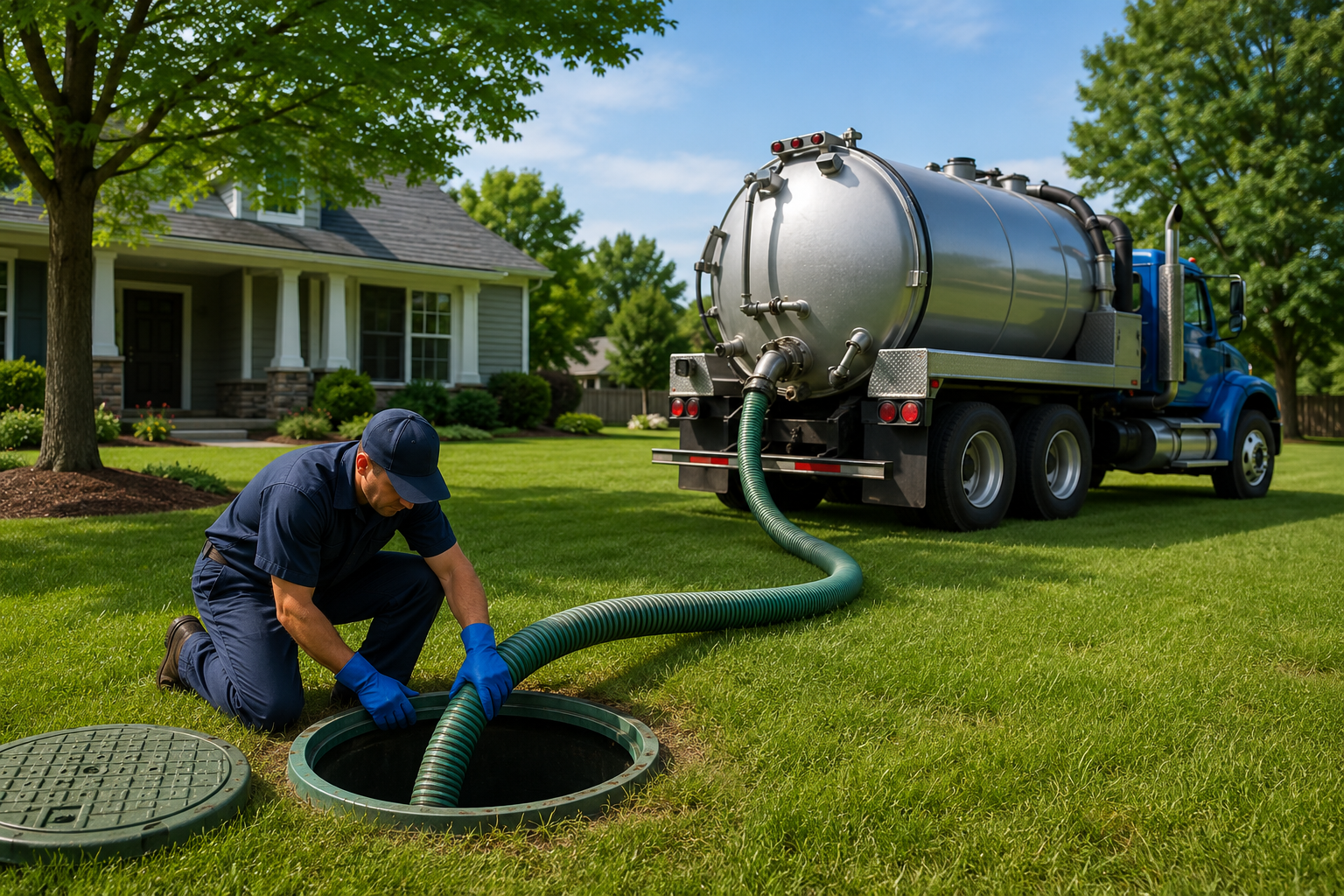
How Regular Septic Tank Pumping Protects Your Home and Yard
A septic system plays an important role in keeping your home’s wastewater under control. When it is maintained properly, it can safely manage household waste for many years. However, when a septic tank becomes too full, wastewater and solids can create serious problems for your plumbing, property, and yard. Regular septic tank pumping for homes helps remove accumulated solids before they cause expensive damage.
Homeowners should think of septic tank pumping as part of routine property maintenance. Just like changing an HVAC filter or servicing a water heater, regular septic care can help prevent larger problems. Professional pumping can also support a cleaner yard, better drainage, and a healthier home environment.
Why Septic Tank Pumping Matters for Homes
Every time wastewater leaves your home, it eventually enters the septic tank if your property uses a septic system. Inside the tank, heavier solids settle at the bottom as sludge, while lighter materials form a layer of scum near the top. The liquid wastewater remains between these layers and moves toward the drainfield.
Over time, sludge and scum continue to build up. If too much material accumulates, the tank may not have enough space to work properly. Solids can also move toward the drainfield, where they may cause clogging and reduce the system’s ability to absorb wastewater.
This is why septic tank pumping for homes is an important part of long-term septic maintenance. Pumping removes the accumulated solids and gives the tank more room to operate effectively.
How Regular Pumping Protects Your Yard
Your septic system is connected to the area around your home. When the system is overloaded or poorly maintained, problems may eventually become visible in the yard.
A failing or overloaded septic system can contribute to slow drainage, unpleasant odors, unusually wet areas, or patches of grass that look different from the surrounding lawn. In some cases, wastewater may surface around the drainfield.
Regular pumping can help reduce the risk of these problems by removing excess sludge and scum before they interfere with normal septic operation. While pumping cannot fix every septic problem, it is an important preventive maintenance step.
Keeping your septic tank maintained also helps protect the appearance and usability of your yard. This is especially important for homeowners who use their outdoor space for children, pets, gardening, or entertaining.
Preventing Plumbing Problems Inside Your Home
A septic problem does not always begin outside. Warning signs can appear inside your home first.
You may notice:
- Slow drains throughout the house
- Toilets that drain slowly or back up
- Gurgling sounds from plumbing fixtures
- Unpleasant wastewater odors
- Water backing up into sinks, showers, or tubs
These symptoms can have different causes, so they should not automatically be blamed on a full septic tank. However, if several drains are affected at the same time, the septic system should be inspected.
Routine septic tank pumping for homes can help prevent excessive solids from reaching the drainfield and reduce the chance of certain septic-related backups.
How Often Should a Septic Tank Be Pumped?
There is no single pumping schedule that works for every household. The right frequency depends on several factors, including household size, tank capacity, wastewater usage, and the amount of solids produced.
For example, a home with several residents may fill its tank faster than a smaller household. Frequent laundry, long showers, and heavy water usage can also affect the overall system.
Instead of waiting until a backup occurs, homeowners should follow a maintenance schedule based on their septic professional’s recommendations. Regular inspections can help determine when pumping is needed.
Waiting for obvious signs of failure is usually not a good maintenance strategy. Preventive service allows potential problems to be identified before they become major disruptions.
What Can Happen When Pumping Is Delayed?
Skipping septic tank pumping for too long can allow sludge and scum to reach levels that interfere with normal operation. When solids move into the drainfield, the soil may become clogged and less able to absorb wastewater.
Drainfield repairs can be more complicated and costly than routine tank pumping. In severe situations, portions of the septic system may require extensive repair or replacement.
A neglected system can also create unpleasant odors and wastewater issues around the property. These problems may affect your family’s comfort and the condition of your yard.
Regular pumping is therefore a preventive measure that can help homeowners avoid unnecessary stress and protect their investment in their septic system.
Simple Habits That Support Septic System Health
Pumping is only one part of good septic maintenance. Homeowners can also take simple steps to reduce unnecessary strain on the system.
Avoid flushing items that are not designed to break down in a septic system. Items such as wipes, paper towels, feminine hygiene products, and other household materials can contribute to blockages.
It is also helpful to avoid putting excessive grease and cooking oils down household drains. Use water efficiently and repair leaking faucets or toilets when needed.
Heavy vehicles should generally be kept away from the drainfield because excessive weight can damage components or compact the soil.
These everyday habits, combined with regular professional maintenance, can help your septic system perform more reliably.
Septic Tank Care and Well Water Safety
Homes that rely on private wells and septic systems need to pay attention to both wastewater management and drinking water quality. A properly maintained septic system can help reduce the risk of wastewater-related problems around the property.
Well owners should also include appropriate water system maintenance in their overall home care routine. Services such as Durham Well Disinfection can be used when professional well disinfection is appropriate for a private well.
Septic maintenance and well care address different parts of a property’s water system, but both are important considerations for homeowners who depend on private water and wastewater systems.
Why Professional Septic Pumping Is Important
Septic tank pumping should be handled by trained professionals with the right equipment. A professional can safely access the tank, remove accumulated waste, and identify visible concerns that may require further inspection.
Professional service can also help homeowners understand the condition of their septic system and establish a suitable maintenance routine.
If your home is due for septic service, scheduling an inspection and pumping appointment can be a practical step toward protecting your plumbing and property.
Protect Your Home With Regular Septic Maintenance
Your septic system works quietly every day, but it should not be forgotten until something goes wrong. Regular maintenance can help protect your home from backups, reduce the risk of drainfield problems, and keep your yard in better condition.
For homeowners, septic tank pumping for homes is an important part of responsible property care. The right pumping schedule, careful water use, and professional inspections can all contribute to a healthier and more dependable septic system.
If you are unsure when your septic tank was last pumped, it may be time to schedule professional service. Taking care of the system before a major problem occurs can help protect your home, yard, and long-term investment.
 Arbor Plumbing