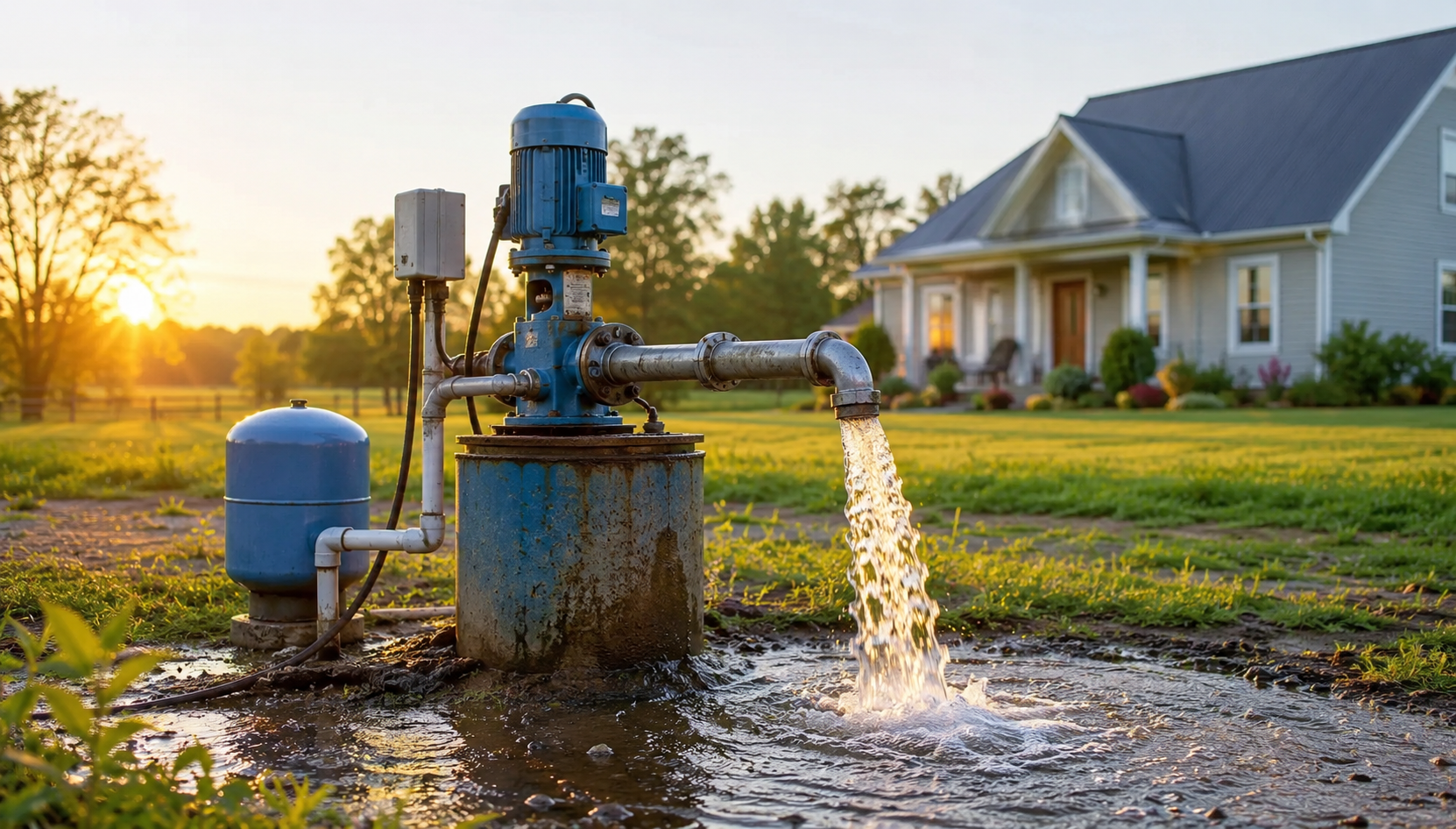
Common Well Water Problems Found in Raleigh NC Homes
For homeowners who depend on private wells, clean and reliable water is an important part of everyday life. From drinking and cooking to bathing and laundry, your household depends on your well system working properly. However, well water can develop problems that are not always easy to notice. Changes in taste, color, smell, pressure, or water flow may point to an issue that needs attention.
If you live in the Raleigh area and rely on a private well, working with a professional well testing company Raleigh NC homeowners can trust can help identify water quality concerns before they become bigger problems. Regular testing is especially important because private well owners are responsible for monitoring their own water supply. North Carolina recommends annual testing for total and fecal coliform bacteria, along with additional testing for other contaminants at recommended intervals.
Why Well Water Testing Matters in Raleigh NC
Private wells draw water from underground sources, and groundwater quality can vary depending on local geology, land use, rainfall, construction, flooding, and other conditions. North Carolina environmental agencies note that groundwater quality can differ across the state and that both natural conditions and human activities can affect private wells.
A well may provide clear water one day and develop a problem later. Some contaminants cannot be detected by looking at the water or smelling it. This is why professional testing is a useful part of private well maintenance.
Homeowners should consider testing after flooding, well repairs, changes in water quality, or other events that could affect the well.
1. Bacteria in Well Water
Bacteria are among the most important concerns for private well owners. Total coliform and fecal coliform bacteria can indicate that contaminants have entered a water supply.
Bacteria may enter a well because of flooding, surface runoff, damaged well components, poor drainage, or other pathways. A change in taste or appearance does not always occur when bacteria are present.
North Carolina recommends that private well owners test for total and fecal coliform bacteria every year. Testing should also be considered after flooding or repairs to the well system.
If bacteria are detected, a professional should help determine the possible source and appropriate corrective steps.
2. Iron and Manganese
Iron and manganese are common groundwater concerns in parts of North Carolina. They may not always represent the same type of health concern as harmful bacteria, but they can create frustrating household problems.
High iron can cause:
- Orange or reddish stains
- Metallic tasting water
- Staining on sinks and toilets
- Discoloration of laundry
- Problems with fixtures
Manganese can also affect water appearance and taste and may contribute to staining.
A proper water test can determine whether these minerals are present and help homeowners understand whether treatment may be needed.
3. Low pH and Acidic Water
Water with a low pH can become more corrosive. Over time, corrosive water may affect household plumbing and contribute to the leaching of certain metals.
You may notice unusual metallic tastes, plumbing problems, or changes in water quality. However, these signs alone cannot confirm a pH problem.
Testing the water is the best way to understand its pH and determine whether additional evaluation or treatment is needed. North Carolina health guidance includes pH among the water quality factors that private well owners should monitor.
4. Nitrates and Nitrites
Nitrates can enter groundwater from several sources, including fertilizers, septic systems, animal waste, and other activities around a property.
This is particularly important because nitrate contamination may not change the taste, smell, or appearance of water.
North Carolina recommends testing existing private wells for nitrates and nitrites periodically, with additional testing in certain situations. The state also advises that households with infants should take nitrate results seriously because boiling water does not remove nitrates.
If you have concerns about nitrate contamination, ask a certified laboratory or qualified professional about the appropriate testing process.
5. Sediment and Cloudy Water
Cloudy or muddy water can be caused by sediment entering the water supply. It may occur after heavy rainfall, changes in groundwater conditions, well work, or problems with the well system.
Sediment can affect:
- Faucets
- Water heaters
- Washing machines
- Filters
- Plumbing fixtures
- Water treatment equipment
Recent reporting from the Raleigh area has also highlighted how drought and changing groundwater levels can affect lower-yield private wells, including increased sediment and changes in water appearance.
If your normally clear water suddenly becomes cloudy or contains visible particles, testing and a professional well inspection can help identify the cause.
6. Unusual Taste or Odor
A sudden change in taste or smell should not simply be ignored.
Your water may develop:
- A metallic taste
- A sulfur or rotten egg smell
- An earthy smell
- A chemical-like odor
- An unusual salty taste
These changes can have different causes, including minerals, bacteria, plumbing issues, or other contaminants.
It is important to remember that safe-looking water is not automatically safe water. Some contaminants have no noticeable taste, smell, or color. Testing is therefore more reliable than using your senses alone.
7. Hard Water
Hard water contains elevated levels of minerals such as calcium and magnesium. While hardness is generally considered more of a household quality concern than a direct health issue, it can make everyday cleaning more difficult.
Signs of hard water may include:
- White deposits around faucets
- Soap that does not lather easily
- Spots on dishes
- Scale inside appliances
- Reduced efficiency of water heaters
A water test can measure hardness and help determine whether a treatment system may be useful.
8. Lead and Other Metals
Lead and other metals can be a concern in some private water systems. Metals may come from groundwater conditions or household plumbing components.
North Carolina recommends periodic testing for heavy metals, including lead and copper, as part of private well monitoring.
If you live in an older home or have concerns about your plumbing, ask a certified laboratory about the appropriate testing options.
When Should You Test Your Raleigh NC Well?
Regular testing is one of the simplest ways to monitor changes in your water supply. North Carolina recommends annual testing for total and fecal coliform bacteria and periodic testing for metals, nitrates, pesticides, and volatile organic compounds.
You should also consider testing when:
- Your water changes color, taste, or smell
- Your well has been flooded
- Well components have been repaired or replaced
- Nearby construction changes the land
- You notice unusual sediment
- There is a concern about contamination
- You are purchasing or selling a property
- Your water treatment system is not working as expected
Using a state-certified drinking water laboratory is recommended for private well testing.
What About a Water Well Emergency Service?
Not every well problem can wait for a routine appointment. A sudden loss of water, major pressure problem, pump failure, flooding, or serious change in water quality may require a water well emergency service.
If your home suddenly loses water, first check whether the issue is limited to your property. You can then inspect accessible components such as the electrical supply and pressure system if it is safe to do so. Avoid opening or attempting to repair electrical or well equipment if you are not qualified.
A professional can inspect the system and determine whether the problem involves the pump, pressure tank, electrical components, plumbing, well itself, or water quality.
Why Choose Professional Well Testing?
Professional testing provides more useful information than simply checking how water looks. A qualified service can help collect an appropriate sample and identify which tests may be suitable for your situation.
For Raleigh homeowners, professional well testing can be especially useful after severe weather, property changes, repairs, or unexplained water quality changes.
The goal is simple: understand what is in your water and address problems before they become more serious.
Protect Your Raleigh Home’s Water Supply
Your private well is an important part of your home, so regular maintenance should not be overlooked. Problems such as bacteria, iron, manganese, nitrates, sediment, low pH, hardness, and metals can affect private well water in different ways.
If you notice a change in your water or simply want to stay ahead of potential problems, scheduling professional testing is a smart step. A trusted well testing company Raleigh NC homeowners can rely on can help you understand your water quality and identify possible concerns.
 Arbor Plumbing