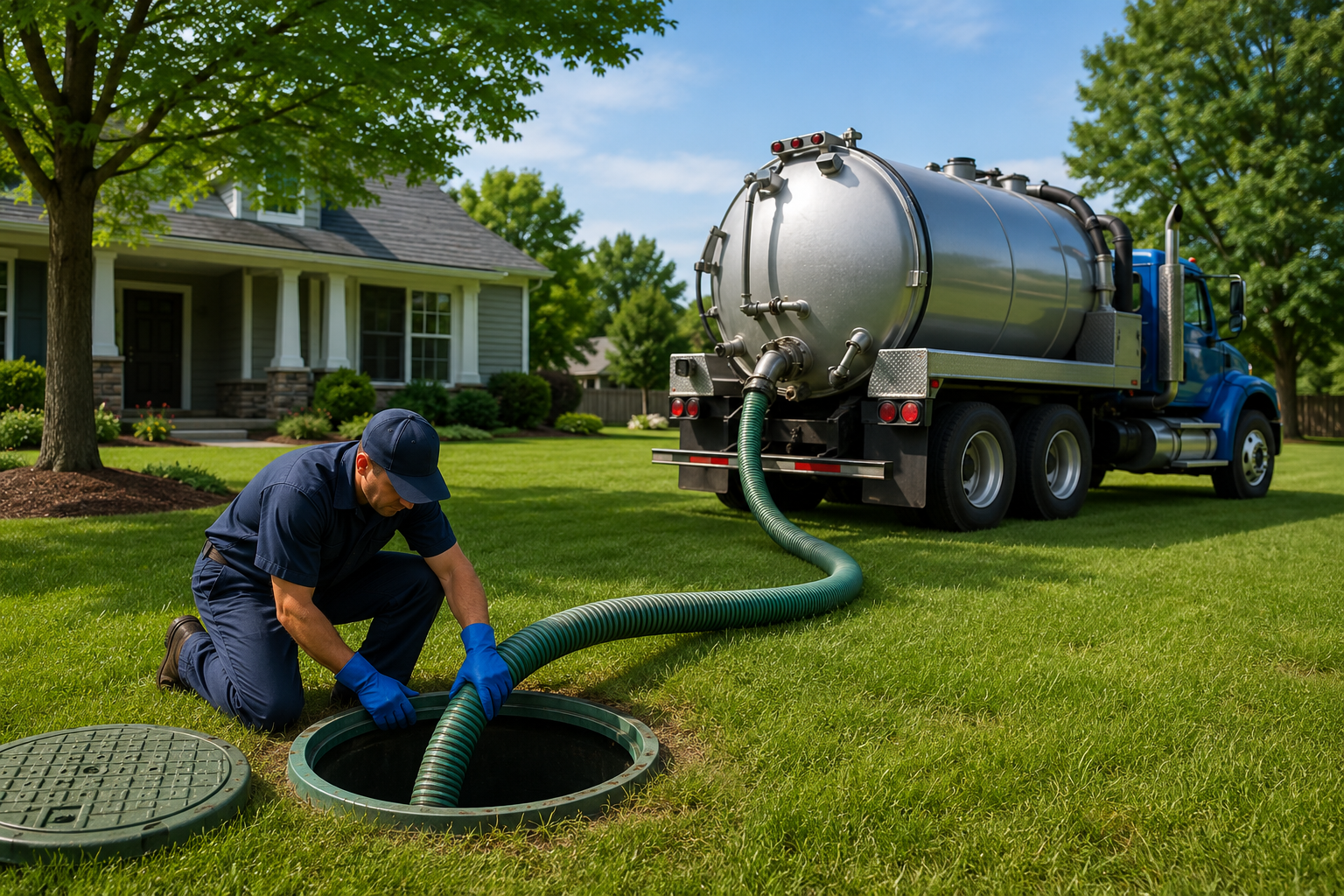
How Professional Septic Tank Service Protects Your Home and Yard
A septic system works quietly beneath your property, but it plays a major role in keeping your home clean, safe, and comfortable. When it is properly maintained, wastewater can be treated and released into the soil without creating major problems. When maintenance is ignored, however, sewage backups, unpleasant odors, standing water, drainfield damage, and expensive repairs can follow.
Professional septic tank service is one of the best ways to protect both your home and your yard. Regular inspections and pumping help keep the system working properly while allowing small problems to be found before they become major failures. The U.S. Environmental Protection Agency recommends regular inspections and generally recommends pumping household septic tanks every three to five years, although the right schedule depends on factors such as tank size, household size, water use, and solids buildup.
What Does a Septic System Do?
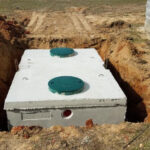
A septic system is an underground wastewater treatment system commonly used by homes that are not connected to a public sewer. Wastewater from toilets, showers, sinks, kitchens, and washing machines flows into the septic tank.
Inside the tank, heavier solids settle at the bottom while lighter materials form a layer near the top. The liquid wastewater then moves toward the drainfield, where additional treatment takes place in the soil. A properly designed and maintained system can help protect public health and local water resources.
Because most of this process happens underground, homeowners may not notice a problem until the system is already under stress. This is why professional maintenance is so important.
Preventing Sewage Backups in Your Home
One of the biggest benefits of professional septic tank service is reducing the risk of sewage backing up into your home.
As solids build up inside a septic tank, there is less space available for wastewater. If the tank becomes overloaded and is not pumped when needed, solids can move toward the drainfield and interfere with its operation. This can eventually contribute to slow drains, plumbing backups, odors, or other signs of system trouble.
A professional can inspect the tank, check the levels of sludge and scum, and determine whether pumping or additional service is needed. Taking care of the system before an emergency occurs is usually much easier than dealing with sewage inside your house.
Protecting Your Yard From Standing Water
Your yard can also show signs of septic problems.
Standing water, wet spots, sewage odors, or unusually green and spongy grass around the septic tank or drainfield may indicate that the system is not operating correctly. These signs should not be ignored because untreated wastewater can create sanitation concerns and may affect nearby soil and water.
Professional service helps identify potential problems before they spread across the property. Keeping the tank maintained also helps reduce the amount of solids that can enter and damage the drainfield.
Protecting Your Drainfield
The drainfield is an important part of your septic system. After wastewater leaves the tank, the drainfield allows it to move through the soil for additional treatment.
Damage to the drainfield can be difficult and expensive to correct. Homeowners should avoid driving vehicles or placing heavy objects over the drainfield. Roof drains, sump pumps, and other sources of excess water should also be kept away from the area because too much water can interfere with wastewater treatment.
Trees and large plants should also be carefully considered around the system because roots can damage pipes. Grass and suitable ground cover are generally better choices for the area around a drainfield.
Reducing the Risk of Expensive Repairs
Preventive maintenance can be much less expensive than waiting for a septic failure.
The EPA notes that routine septic maintenance can help avoid the higher costs associated with repairing or replacing a failed system. Maintenance also helps protect property value because a septic system that is not working properly can become a serious concern for homeowners and potential buyers.
A professional septic tank service can include inspection, pumping, checking accessible components, identifying warning signs, and providing recommendations based on the condition of your system.
The exact service needed will depend on your tank, property, household usage, and system design. A professional can help establish a maintenance schedule instead of relying only on warning signs.
Why Regular Septic Tank Pumping Matters
Septic tank pumping removes accumulated solids from the tank. If too much sludge or scum remains inside, the material can move toward the drainfield and contribute to clogging or failure.
The EPA states that household septic tanks are typically pumped every three to five years, but there is no single schedule that works for every home. A larger household that produces more wastewater may need service more often than a smaller household. Tank size and the amount of solids produced also affect pumping frequency.
Keeping records of inspections and pumping can make it easier to know when the next service is due.
Save Water to Help Your Septic System
Professional service is important, but daily habits matter too.
Every gallon of water used inside your home eventually enters the septic system. Using too much water at one time can place extra pressure on the system. Fixing leaking toilets and faucets, using water efficient fixtures, and spreading laundry throughout the week can help reduce the wastewater load.
It is also important to avoid flushing items that do not belong in the toilet. Toilets should generally be used for human waste and toilet paper. Grease, oils, harsh materials, wipes, and other unsuitable items can create problems for plumbing and septic systems.
Be Careful About What Goes Down the Drain
Your septic tank depends on natural biological activity to break down organic material. Introducing unsuitable chemicals or materials can interfere with the system.
Kitchen grease and oil should not be poured down the drain. Food waste should also be handled carefully. Household chemicals and other materials that are not designed for septic systems should be disposed of properly.
Simple changes in household habits can support professional maintenance and help your system operate more efficiently.
Septic Tank Service and Well Water Protection
Homes with septic systems may also depend on private wells for drinking water. Because septic systems and groundwater can be closely connected, proper maintenance is important for protecting water resources.
A malfunctioning septic system can release bacteria, viruses, nutrients, and other contaminants into groundwater. The EPA explains that poorly maintained septic systems can contribute to groundwater contamination and create risks for human health and the environment.
For homeowners who also need water system care, services such as Durham Well Disinfection may be relevant when professional well treatment or disinfection is required. Septic maintenance and well care are separate services, but both are important parts of responsible property and water management.
Signs You Should Call a Professional
Do not wait for a complete system failure before requesting service. Contact a septic professional if you notice:
- Slow drains throughout the house
- Toilets that drain slowly or back up
- Gurgling sounds from plumbing
- Sewage odors around the property
- Wet or unusually green areas near the septic system
- Standing water around the drainfield
- Sewage surfacing in the yard
- A septic tank that has not been pumped for several years
These symptoms can have different causes, so professional inspection is the safest way to determine what is happening.
Why Choose Professional Septic Tank Service?
Septic systems are not something homeowners should maintain based only on appearance. Much of the system is underground, and important problems may not be visible from the surface.
A trained professional can inspect the system, evaluate sludge and scum levels, perform pumping when needed, identify possible problems, and explain what maintenance may be required. Regular service also gives homeowners a better understanding of their septic system and its condition.
For homeowners in and around Garner, choosing a reliable local provider can make ongoing septic maintenance easier. Professional care can help protect your plumbing, yard, property value, and surrounding environment.
Protect Your Home Before Problems Start
Your septic system may be out of sight, but it should never be out of mind. Regular septic tank service can help prevent backups, protect the drainfield, reduce unpleasant odors, and lower the risk of expensive system failures.
Good septic care is a combination of professional inspections and pumping, responsible water use, proper waste disposal, and protecting the drainfield. When these habits are followed, your septic system has a better chance of providing dependable wastewater treatment for years.
If your septic tank is due for maintenance or you are noticing warning signs around your home or yard, professional service should not be delayed. Preventive care today can help protect your property from bigger problems tomorrow.
 Arbor Plumbing