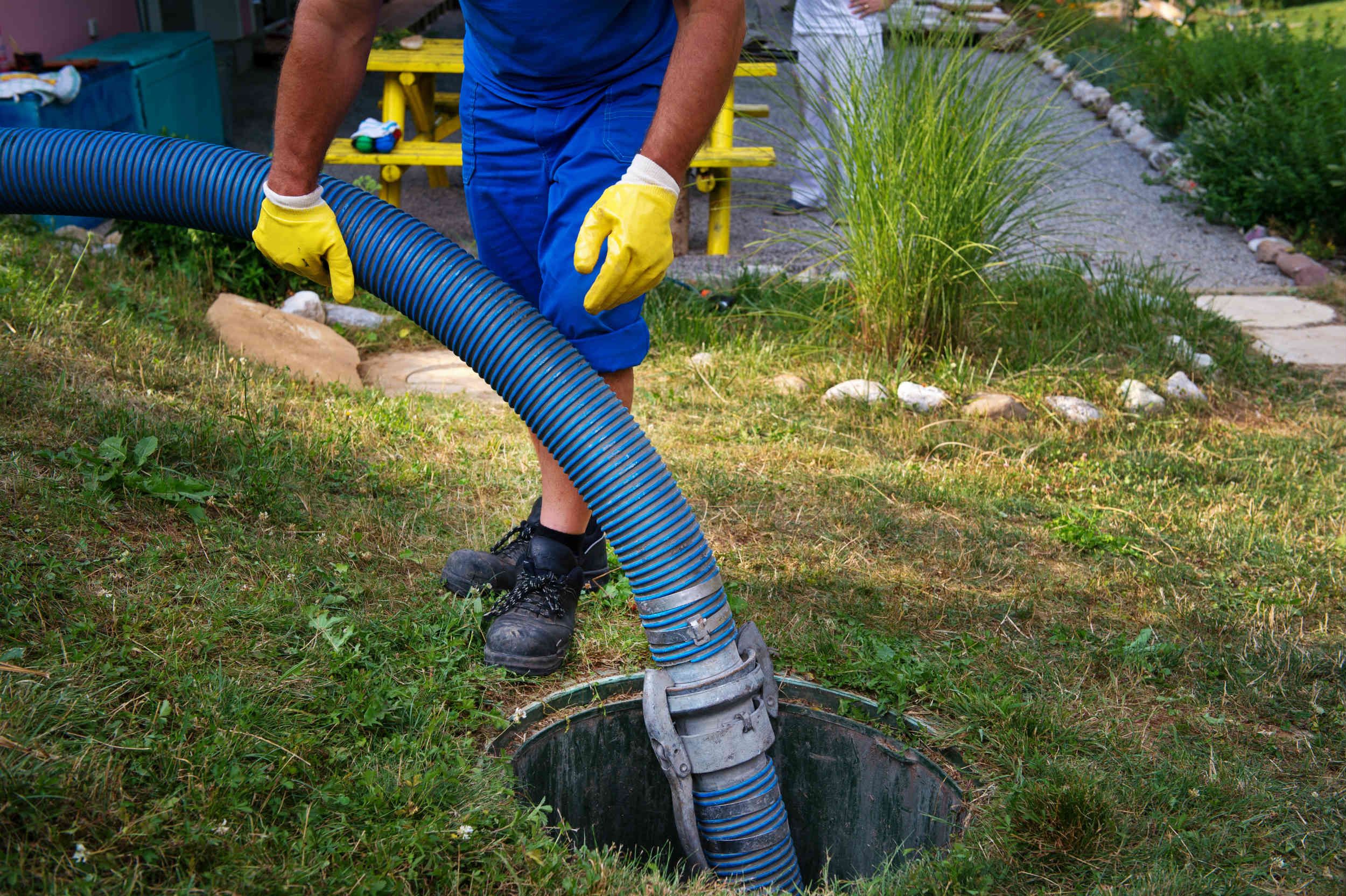
Why Raleigh Homeowners Should Test Well Water After Plumbing Repairs
Plumbing repairs can restore water flow, fix leaks, and improve the performance of your home’s water system. However, when your property relies on a private well, completing a plumbing repair should not always be the final step. Certain repairs can affect water quality, especially when pipes are opened, well components are disturbed, or contamination enters the system during maintenance.
For homeowners who depend on private wells, Well Testing Raleigh services can help identify potential water quality concerns after plumbing work. Testing provides useful information about the condition of your drinking water and helps you determine whether additional treatment or corrective action may be needed.
Whether you have repaired a damaged pipe, replaced a pump, or completed work on your well system, understanding when to test your water can help protect your household and maintain a reliable water supply.
How Plumbing Repairs Can Affect Well Water Quality
Private wells depend on several connected components, including the well casing, pump, pressure tank, pipes, and plumbing fixtures. If one component needs repair, the work may involve opening the system or disturbing parts that normally remain sealed.
Although many plumbing repairs are completed without affecting water quality, certain situations can introduce contaminants or change water conditions.
For example, bacteria may enter the plumbing system if equipment is not handled or disinfected properly. Damaged seals or disturbed well components may also create pathways for contaminants to enter under certain conditions.
Repairs involving older pipes can sometimes release sediment or mineral deposits into the water. This may temporarily affect its appearance, although cloudy water does not necessarily indicate contamination.
After significant repairs, Well Testing Raleigh services can help determine whether the water remains suitable for drinking and household use.
1. Detect Bacterial Contamination Early
One important reason to test well water after plumbing repairs is to check for bacterial contamination.
Private wells are not automatically monitored and treated in the same way as many public water systems. As a result, homeowners are responsible for arranging appropriate water testing.
Bacteria can enter a well or plumbing system through damaged components, unsanitary repair practices, flooding, or other pathways. Certain microorganisms can cause illness, particularly in vulnerable individuals.
Total coliform bacteria are commonly tested as an indicator of possible contamination. Testing for E. coli may also be recommended because its presence can indicate contamination associated with human or animal waste.
Clear water does not necessarily mean the water is free from harmful microorganisms. Likewise, unusual taste or odor alone cannot confirm bacterial contamination.
After repairs involving the well, pump, or plumbing components connected to drinking water, ask a qualified water professional whether bacterial testing is appropriate.
2. Check for Sediment and Changes in Water Quality
Some plumbing repairs can disturb sediment that has accumulated inside pipes, pressure tanks, or other parts of the water system.
You might notice cloudy water, small particles, discoloration, or changes in how quickly sediment collects in fixtures. These changes may be temporary, but persistent problems should not be ignored.
Sediment can also be associated with other water quality issues, including corrosion, mineral deposits, or changes in groundwater conditions.
A professional assessment can help identify the likely cause. Depending on the situation, testing may include turbidity, iron, manganese, pH, or other parameters selected for your well.
Avoid assuming that running the water until it looks clear will resolve every problem. Visual appearance cannot reliably establish whether drinking water is safe.
3. Identify Possible Chemical Contaminants
Plumbing repairs may sometimes expose older materials or disturb components that require further investigation. Depending on the home’s plumbing history, water chemistry, and the type of repair, additional testing may be appropriate.
For example, lead can enter drinking water through certain plumbing materials, fixtures, or solder. Changes in plumbing conditions may influence how metals enter the water.
Other potential contaminants, such as nitrates, may originate from groundwater sources affected by agricultural activities, septic systems, or other land uses. These contaminants are not necessarily caused by plumbing repairs, but a repair can be a useful opportunity to review the overall condition of your water supply.
The right testing panel depends on the specific circumstances. A qualified water testing professional or local health department can help determine which contaminants should be checked.
Testing should be performed using appropriate sampling methods and a qualified laboratory when necessary.
4. Know When to Schedule Well Water Testing
Not every minor plumbing repair requires the same testing approach. The type of work completed and the condition of the well should guide your decision.
Consider discussing water testing with a professional after:
- Replacing or repairing a well pump.
- Opening or modifying well components.
- Repairing damaged well casing, seals, or caps.
- Completing plumbing work that may have allowed contaminants to enter the drinking water system.
- Addressing flooding or water intrusion around the well.
- Finding a sudden, unexplained change in water appearance, taste, or odor.
If repairs involved disinfection of the well or plumbing system, follow the professional’s instructions about when to collect samples. Testing too early or using an unsuitable sampling method may produce results that do not accurately reflect the system’s condition.
Even without repairs, private well owners should generally test for coliform bacteria at least annually and consider additional testing based on local recommendations and potential contamination risks.
5. Understand the Connection Between Well Testing and Septic Systems
Many Raleigh-area properties use both a private well and an onsite septic system. These systems serve different purposes, but their locations and maintenance can affect household water safety.
A malfunctioning septic system may release wastewater into the surrounding soil. Under certain conditions, contaminants can migrate through groundwater and reach a nearby well.
This is why homeowners should consider the condition of both systems when investigating water quality problems.
A well septic inspection can help identify visible concerns involving the well and septic components, depending on the inspection scope. For example, a professional may evaluate accessible well components, look for signs of damage, or identify potential concerns with septic system operation.
However, a visual inspection alone cannot confirm that drinking water is safe. Laboratory water testing and a septic system evaluation serve different purposes, and both may be needed when contamination is suspected.
If your well is near a septic drainfield or you notice sewage odors, wet areas around the drainfield, or unexplained water quality changes, seek professional advice promptly.
6. What Happens During Professional Well Testing?
Professional water testing generally begins with understanding the property’s water source, recent repairs, and any concerns about the water.
The provider can recommend suitable tests based on the repair performed and known local risks. A sample may then be collected using appropriate procedures and submitted to a qualified laboratory.
Common tests for private wells include:
- Total coliform bacteria: Helps identify potential contamination concerns.
- E. coli: Checks for a bacterium that can indicate fecal contamination.
- Nitrates: Particularly important for households with infants because elevated levels can pose serious health risks.
- pH: Measures how acidic or alkaline the water is.
- Metals and minerals: May be recommended when plumbing materials, corrosion, staining, or local groundwater conditions raise concerns.
Not every well needs every test after every repair. The most appropriate testing plan depends on the work completed and the property’s specific risks.
Once results are available, a qualified professional can explain what they mean and whether further investigation, disinfection, treatment, or repeat testing is necessary.
7. What to Do if Your Water Test Shows a Problem
If test results indicate contamination, do not ignore the findings or assume that boiling will resolve every issue.
Follow the laboratory’s and local health department’s recommendations. If harmful bacteria are detected, you may need to stop using the water for drinking, cooking, brushing teeth, or preparing infant formula until the issue has been addressed.
Boiling can help inactivate many disease-causing microorganisms when performed according to official boil-water guidance, but it does not remove nitrates or heavy metals. In some cases, boiling can increase the concentration of certain dissolved contaminants.
Depending on the findings, corrective measures may include repairing damaged well components, disinfecting the system, addressing a septic problem, or installing an appropriate water treatment system.
After corrective work, follow professional instructions about repeat testing to confirm that the problem has been resolved.
Protect Your Home With Regular Well Maintenance
Plumbing repairs are an opportunity to review the overall condition of your private water system. Taking the additional step of arranging appropriate testing can help identify potential contamination and provide greater confidence in your household water supply.
For homeowners seeking Well Testing Raleigh services, Arbor Well & Septic can be a resource for understanding private well water testing and related maintenance needs. If your property also uses a septic system, discussing a well septic inspection may help you identify concerns that require further attention.
Remember that a repair does not automatically mean your water is contaminated, but certain repairs create a good reason to reassess water quality. By following recommended testing schedules, responding to warning signs, and maintaining both well and septic components, Raleigh homeowners can take practical steps toward protecting their drinking water for the long term.
 Arbor Plumbing