How Often Should You Schedule Septic Tank Cleaning Services?
A properly maintained septic system is essential for keeping your home’s plumbing working smoothly and protecting the surrounding environment. If your property uses a septic tank instead of a municipal sewer connection, regular maintenance can help prevent unpleasant odors, slow drains, sewage backups, and expensive repairs. One of the most important maintenance tasks is knowing when to schedule professional septic tank pumping and cleaning.
The right maintenance schedule depends on your household size, water usage, tank capacity, and the amount of wastewater your property produces. For homeowners in Garner, North Carolina, professional septic tank cleaning services can help keep the system operating efficiently and identify potential problems before they become serious.
How Often Should a Septic Tank Be Pumped?
Many household septic tanks need pumping approximately every three to five years. However, this is a general guideline rather than a fixed schedule for every property. Some systems require more frequent service, while others may go longer between pumping appointments.
Several factors influence how often your septic tank needs attention.
- Household size: More people generally produce more wastewater, which can cause solids to accumulate more quickly.
- Tank capacity: Smaller tanks may require more frequent pumping than larger tanks serving a similar household.
- Water usage: Frequent laundry loads, long showers, and excessive water consumption can place additional demands on a septic system.
- Garbage disposal use: Food waste can increase the amount of solid material entering the tank.
- System condition: An older or poorly maintained system may need more frequent inspections and service.
Instead of relying only on a calendar, ask a septic professional to assess your tank and recommend an appropriate maintenance schedule.
Why Regular Septic Tank Cleaning Services Matter
A septic tank separates wastewater into three layers. Heavy solids settle at the bottom to form sludge, oils and grease float to the surface as scum, and the liquid wastewater remains between these layers.
Bacteria inside the tank help break down some organic material, but they do not eliminate all the accumulated solids. Over time, sludge and scum build up and reduce the available space for wastewater.
When the tank is not pumped when needed, solids may move into the drainfield. This can lead to blockages, drainage problems, unpleasant odors, and costly system damage.
Professional septic tank cleaning services help remove accumulated solids and allow the tank to continue functioning as designed. Routine inspections can also identify cracks, damaged components, and other issues that may require attention.
Warning Signs Your Septic Tank Needs Attention
Your septic system may show signs of trouble before a scheduled maintenance appointment. Recognizing these warning signs can help you arrange service before the problem worsens.
1. Slow Drains Throughout the House
A single slow sink may have a localized plumbing blockage. However, if several drains become slow at the same time, the septic system may need inspection.
Avoid assuming that every drainage problem means the tank is full. A professional can determine whether the issue involves the plumbing, septic tank, or drainfield.
2. Unpleasant Sewage Odors
Persistent sewage odors around the tank, drainfield, or inside the home can indicate a septic system problem. Possible causes include an overdue pumping appointment, a damaged pipe, or a ventilation issue.
These odors should not be ignored, particularly when accompanied by other warning signs.
3. Wet Areas Around the Drainfield
Unusually wet ground, standing water, or sewage odors around the drainfield may indicate that wastewater is not dispersing properly.
Keep people and pets away from suspected sewage-contaminated areas and contact a septic professional promptly.
4. Sewage Backups
Sewage backing up into toilets, showers, or floor drains is a serious warning sign. A full tank, blocked pipe, or drainfield failure may be responsible.
Stop using unnecessary water and seek professional assistance. Avoid opening the tank yourself because septic gases and contaminated wastewater can create serious hazards.
What Happens During Professional Septic Tank Pumping?
Understanding the service process can help homeowners prepare for an appointment.
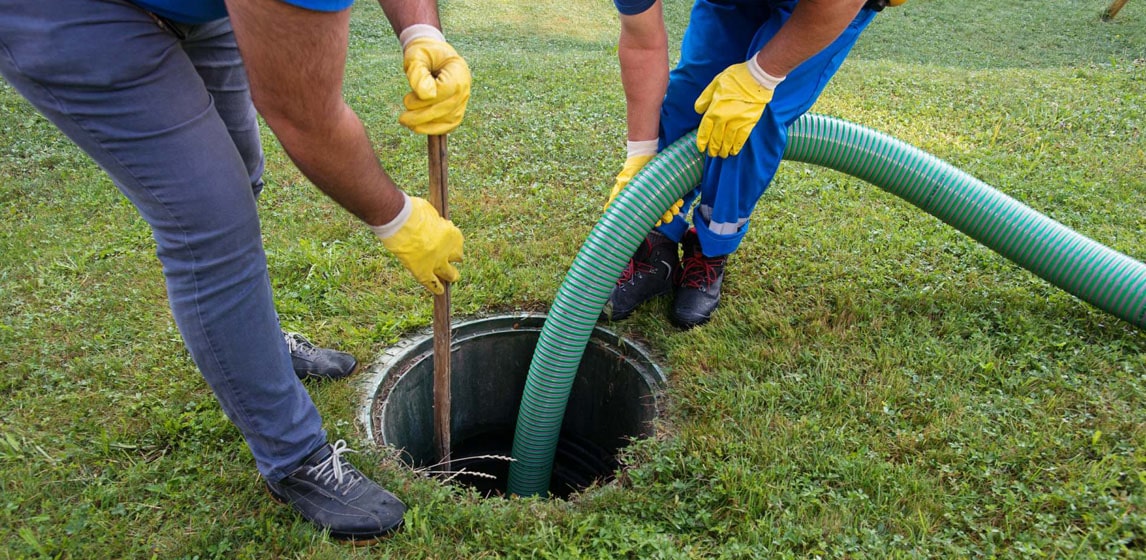
A septic professional typically begins by locating the tank and accessing its service openings. The technician may inspect accessible components and evaluate the accumulation of sludge and scum.
Specialized pumping equipment is then used to remove accumulated solids and wastewater as appropriate. The technician may also check for visible damage, unusual liquid levels, or other signs of system trouble.
After pumping, the professional can explain the tank’s condition and recommend any necessary maintenance or repairs.
Pumping removes accumulated material, but it does not automatically repair damaged pipes, restore a failing drainfield, or resolve every plumbing issue. If a problem is identified, additional work may be necessary.
For Garner homeowners, scheduling septic tank cleaning services with an experienced provider can make it easier to maintain the system and understand its ongoing needs.
How Household Habits Affect Your Septic System
Everyday habits can influence how efficiently your septic system operates. Small changes can reduce unnecessary strain and help prevent avoidable problems.
Use water efficiently. Repair leaking faucets and running toilets, spread laundry loads throughout the week, and avoid running multiple water-intensive appliances simultaneously when possible.
Dispose of waste properly. Flush only human waste and toilet paper. Items such as wipes, paper towels, sanitary products, dental floss, and cotton swabs can contribute to blockages.
Limit grease and food waste. Avoid pouring cooking grease, fats, and oils down the drain. If you use a garbage disposal, remember that it can increase the amount of solids entering your septic tank.
Avoid harsh chemical disposal. Never pour paint, solvents, pesticides, or other hazardous chemicals into household drains. These substances can harm the septic system and contaminate the environment.
Protect the drainfield. Avoid driving vehicles or parking heavy equipment over the drainfield. Do not plant trees or shrubs with aggressive roots near septic components unless a qualified professional confirms that the location is suitable.
These habits support regular maintenance but do not eliminate the need for pumping.
Does Your Well Need Maintenance Too?
Properties that rely on private wells and septic systems need to pay attention to both wastewater management and drinking water quality. A properly maintained septic system helps reduce the risk of wastewater contamination, but it does not guarantee that nearby well water is safe.
Private well owners should arrange periodic water testing based on local recommendations, property conditions, and any potential contamination concerns.
If testing identifies bacterial contamination, a qualified water professional may recommend a Well Disinfection Process. This may involve assessing the well, disinfecting it with an appropriate treatment, allowing the required contact time, and flushing the system before collecting follow-up samples.
The exact procedure depends on the type of well and the source of contamination. Water should be retested after disinfection to confirm that the treatment was effective. Follow your local health department’s guidance about when the water can be used for drinking.
Well disinfection and septic tank pumping serve different purposes. Disinfection addresses certain microbial contamination concerns in a well, while septic pumping removes accumulated solids from a wastewater system. Both may be important parts of maintaining a property that uses private water and wastewater infrastructure.
What Factors Can Change Your Pumping Schedule?
A household with two occupants and a large septic tank may have different maintenance needs from a busy household with several occupants and a smaller tank.
Garbage disposal use, frequent visitors, high water consumption, and the amount of solids entering the tank can also affect pumping frequency. Older systems may require additional inspections to identify developing problems.
A septic professional can recommend a schedule based on tank size, household usage, inspection findings, and local requirements. Keeping records of previous pumping dates and inspection results can make it easier to determine when the next appointment is due.
Avoid waiting for a backup or foul odor before arranging service. Preventive maintenance is generally easier to manage than an emergency caused by a neglected system.
Schedule Septic Tank Maintenance in Garner, NC
Regular inspections and timely pumping can help protect your septic system, reduce the risk of sewage backups, and support the long-term performance of your property. Although many household tanks need pumping every three to five years, your actual schedule should be based on your tank and household conditions.
If you notice slow drains throughout the home, persistent sewage odors, wet areas near the drainfield, or other warning signs, arrange a professional assessment rather than assuming that pumping alone will solve the problem.
Arbor Well & Septic provides septic system services for homeowners who want to maintain their wastewater systems and address potential issues. If you need septic tank cleaning services in Garner, NC, visit the septic tank pumping page to learn more about the service and arrange professional assistance.
With routine inspections, responsible water use, and timely pumping, you can help keep your septic system working properly and avoid preventable problems for years to come.
 Arbor Plumbing